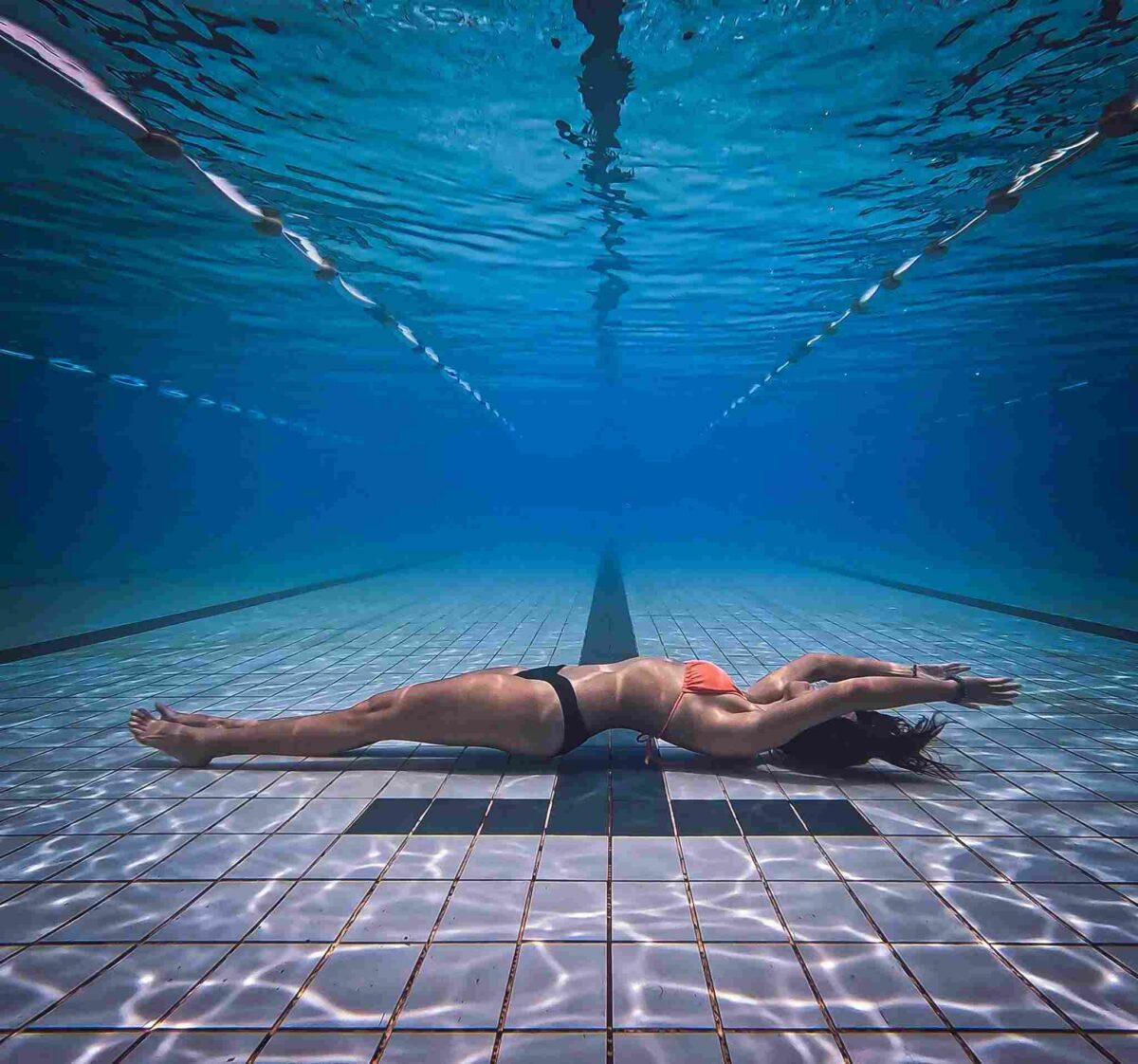
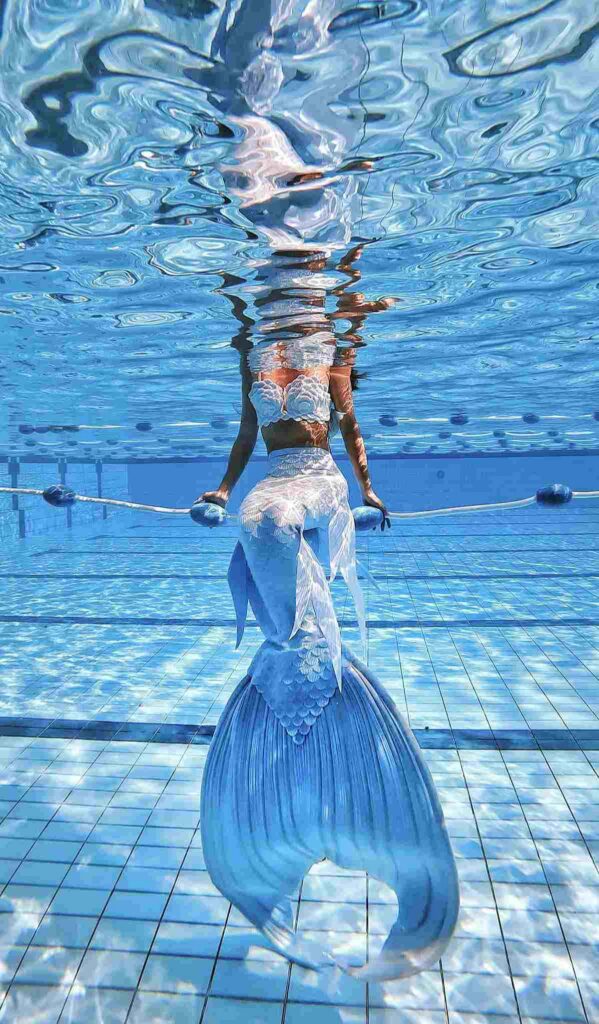
Have you ever watched a mermaid glide through the water and wondered how they make it look so effortless? Learning how to swim like a mermaid is about much more than wearing a beautiful tail. It combines swimming technique, body control, breath awareness, safety and performance to create smooth, graceful movement underwater.
The good news is that you do not need to be an experienced diver or competitive swimmer to begin. With basic swimming ability, professional instruction and plenty of practice, you can learn the foundations of mermaid swimming in a safe and enjoyable way.
At Malaysia Mermaid Club in Kota Kinabalu, we teach beginners through structured PADI Mermaid programmes. Students first learn the essential skills without pressure, before gradually progressing to swimming with a monofin and mermaid tail. Here are seven of the most important skills that will help you start moving through the water like a real mermaid.
Can Anyone Learn How to Swim Like a Mermaid?
Mermaiding is open to people of different ages, backgrounds and experience levels. If you are wondering whether anyone can become a mermaid, you do not need scuba diving or freediving experience. However, you should feel comfortable in the water and meet the swimming requirements for your programme. A good Mermaid Instructor adapts the training and lets each skill develop at a comfortable pace.
PADI offers different entry points, including the Discover Mermaid experience and the PADI Basic Mermaid course. Our guide to which PADI Mermaid course is right for you can help you choose between trying mermaiding in shallow, confined water or working towards your first internationally recognised mermaid certification.
Angelia’s Tip: “Do not compare your first session with videos of experienced mermaids. Every graceful mermaid started by learning one movement at a time. Concentrate on feeling relaxed, listening to your instructor and enjoying your progress.”
What do You Need Before You Start Mermaid Swimming?
Beginners normally use a comfortable mask, snorkel and a purpose-designed monofin. The fabric mermaid tail or tail skin fits over the monofin to create the finished mermaid appearance. Our complete beginner’s guide to mermaid courses in Malaysia explains the training pathway and what new students need before starting. Depending on the location and programme, other equipment may also be used. Depending on the location and programme, other equipment may also be used.
The monofin keeps both feet together, changing the way you move and balance. This is why beginners should not simply buy a tail and practise alone. You need to learn how to put it on and remove it correctly, remain comfortable at the surface and respond if you become tired. An instructor can help you select suitable equipment and practise the main movement before adding the tail.

1. Master the Mermaid Streamline Position
The streamline is the foundation of efficient mermaid swimming. It helps your body pass through the water with less resistance and makes every kick more effective.
Extend your arms in front of you, place one hand over the other and bring your upper arms close to your ears. Keep your head in a neutral position and look slightly forward or down rather than lifting your chin. Your body should form one long line from your fingertips to the end of the monofin.
Avoid bending at the waist or allowing your knees to drop. Both create drag and make you work harder. A strong streamline does not mean becoming stiff; your upper body stays controlled while the wave of the dolphin kick travels smoothly through the rest of your body.
Practise pushing gently away from the pool wall and gliding before adding a slow dolphin kick. Notice how much farther you travel when your body is aligned.
2. Learn the Dolphin kick
The dolphin kick is the movement most people associate with mermaid swimming. Instead of kicking separately from the knees, both legs move together as part of a continuous wave travelling through the body.
The movement starts through the chest and core, continues through the hips and then travels down the legs into the monofin. Think of your body forming a gentle wave rather than forcing a large bend. The knees will bend naturally, but they should not lead the movement. If you kick mainly from the knees, the motion can look like cycling and will be less efficient.
Start slowly. Large, fast movements use more energy without necessarily creating more control. A smaller, well-timed kick usually looks smoother and helps you maintain direction.
How to Practise the Dolphin Kick Without a Mermaid Tail
Practising without a tail allows you to concentrate on technique before your feet are held together by a monofin. In the pool, hold a streamlined position and make gentle body waves while swimming a short distance. You can also practise vertically in water deep enough to swim in, under direct supervision, to feel how the movement travels through your body.
Keep each practice short and rest when your technique deteriorates. Once the movement becomes consistent, your instructor can introduce the monofin.
3. Develop a Smooth Full-Body Wave
The dolphin kick provides propulsion, while the full-body wave gives mermaid swimming its fluid appearance. The two are closely connected, but a polished body wave requires control and timing.
Imagine the movement flowing through your body rather than happening in separate sections. Your chest presses gently, the hips follow and the motion continues through the legs. The wave should remain smooth, with no sudden stop between your upper and lower body.
Your core helps transfer the movement while keeping you balanced and aligned. Extreme flexibility is unnecessary, and exaggerating the bend in your lower back can be uncomfortable and inefficient. Practise while your instructor watches from the side; video feedback can also reveal small adjustments to your head, chest or hips.
4. Improve Your Breath Control Safely
Mermaid swimming often includes short underwater swims, poses and turns while holding your breath. Good breath control begins with relaxation, not with trying to remain underwater for as long as possible.
Before a swim, breathe normally and calmly. Your instructor will teach you suitable preparation and recovery breathing. Stay within a comfortable limit and surface before you feel distressed; longer is not automatically better.
Never hyperventilate before an underwater swim. Rapid or excessive breathing can reduce the natural urge to breathe without safely increasing the oxygen available to you. This can contribute to a loss of consciousness without sufficient warning.
Why You Should Never Practise Breath-Holding Alone
Every breath-hold activity must be directly supervised by an appropriately trained, attentive buddy or instructor who understands the activity and is ready to assist. Never turn underwater swimming into a competition, push through warning signs or attempt personal records during casual mermaid practice.
5. Learn How to Equalise Your Ears
As you swim below the surface, increasing water pressure can create discomfort in your ears. Equalising balances this pressure and is an important skill before diving deeper.
Equalise early, gently and frequently, before you feel pain. Your instructor can demonstrate an appropriate technique and help you practise in shallow water. Never continue descending if you cannot equalise. Stop, move slightly shallower and try again without forcing it. If discomfort continues, end the descent.
Congestion from a cold or allergy can make equalising difficult. Never treat ear pain as something you must tolerate; comfortable, controlled descents matter far more than depth.
Equalisation becomes especially relevant when progressing from pool-based training to the PADI Advanced Mermaid course, which introduces mermaid sessions in open water.
6. Practise Diving, Turning and Changing Direction
Once you can swim forward comfortably, the next step is learning how to move in three dimensions. Diving below the surface, turning and changing direction allow you to explore the water with greater control and create more interesting performances.
A smooth headfirst descent begins at the surface with good body position. Rather than relying only on a powerful kick, use your upper body and hips to direct your weight downward before allowing the monofin to follow. Your instructor can then help you add controlled kicks after you are beneath the surface.
For turns, use your head, shoulders and hands to guide the direction before your body follows. Look where you want to go and practise slowly until you maintain balance and awareness.
PADI Mermaid training can introduce dynamic skills such as side turns, backward somersault turns and back glides. These are not only attractive on camera; they improve coordination, spatial awareness and control.
Always check that the area is clear before diving or turning. In open water, good awareness becomes even more important because conditions, depth and the environment can change.
7. Add Grace, Expression and mermaid Performance Skills
Once your swimming becomes comfortable, you can begin developing your individual mermaid style. Performance is not only about difficult tricks. Eye contact, relaxed hands, facial expression, posture and the timing between movements can make a simple glide look magical.
Avoid clenched fists, rushed movements and constantly checking the camera. Keep your fingers soft and let your arms complement your body. Settle into a pose before looking towards the camera. Releasing too much air may shorten your swim and affect your buoyancy.
Good performers also remain aware of safety. They know their planned movement, understand where the photographer or videographer is positioned and communicate before entering the water. A beautiful image is never worth ignoring your limits or losing awareness of your buddy.
Some mermaids prefer elegant movements, while others enjoy energetic turns, character performance or underwater photography. Strong foundations let you explore your own style confidently, especially during regular mermaid practise sessions with other certified mermaids.

Angelia’s Tips for Swimming Like a Mermaid
Angelia, Lead Mermaid Trainer at Malaysia Mermaid Club, recommends that beginners focus on five simple habits:
- Relax before adding speed. Tension makes the body feel heavy and interrupts the natural wave.
- Learn without the tail first. Understanding the movement before using a monofin builds better control.
- Use short, focused practice sessions. Stop and reset when you become tired or your technique changes.
- Ask for feedback. An instructor can often spot one small adjustment that makes a major difference.
- Keep safety part of every performance. Practise with a trained buddy or instructor and stay comfortably within your limits.
Common Beginner Mermaid Swimming Mistakes
One of the most common mistakes is bending only from the knees. This reduces the full-body wave and uses energy inefficiently. Other beginners lift their head too far, which can cause the legs to drop and break the streamline.
Moving too quickly can hide poor technique, make you tired and reduce control. Slow practice creates a stronger base for advanced skills.
Equipment mistakes can also affect the experience. A monofin that fits poorly may be uncomfortable, while a tail that is unsuitable for swimming can create unnecessary risk. Use equipment designed for mermaiding and seek guidance before purchasing your first tail.
Finally, never practise underwater skills alone. Mermaid swimming includes breath-holding and equipment that connects both feet, so proper supervision and training are essential.
Should Beginners Use a Mermaid Tail Straight Away?
It is exciting to wear a complete mermaid tail, but beginners usually benefit from learning progressively. Start with swimming fundamentals and the dolphin-kick movement. Your instructor can then introduce the monofin, followed by the tail skin when you are ready.
This approach makes the experience safer and often helps students progress faster. You learn how the equipment changes your movement, how to maintain control at the surface and how to remove it if necessary. Once these foundations are secure, wearing the complete tail feels far more natural.
The Safest Way to Learn Mermaid Swimming
The safest and most effective way to learn is through a recognised course with a qualified Mermaid Instructor. If you are new to training, read what to expect during your first PADI Mermaid course before attending. Online videos can show how a skill looks, but cannot assess your ability, equipment or response underwater.
The PADI Mermaid programme combines supporting knowledge with practical water training. Depending on the level selected, you can begin with a shallow-water experience, develop fundamental swimming and breath-hold skills in confined water, add more dynamic and expressive techniques, and eventually progress into open-water mermaiding.
Malaysia Mermaid Club teaches PADI Mermaid courses in Kota Kinabalu and can arrange programmes elsewhere in Malaysia. Training focuses on building confidence, correct technique, safety and enjoyment, while introducing students to a welcoming community of active mermaids.
Learn to Swim Like a Mermaid with the Malaysia Mermaid Club
Learning how to swim like a mermaid is a journey that combines fitness, confidence, creativity and a little underwater magic. The streamline, dolphin kick, body wave, breath control, equalisation, directional skills and performance techniques all work together. You do not need to master everything immediately; each session adds another layer to your ability.
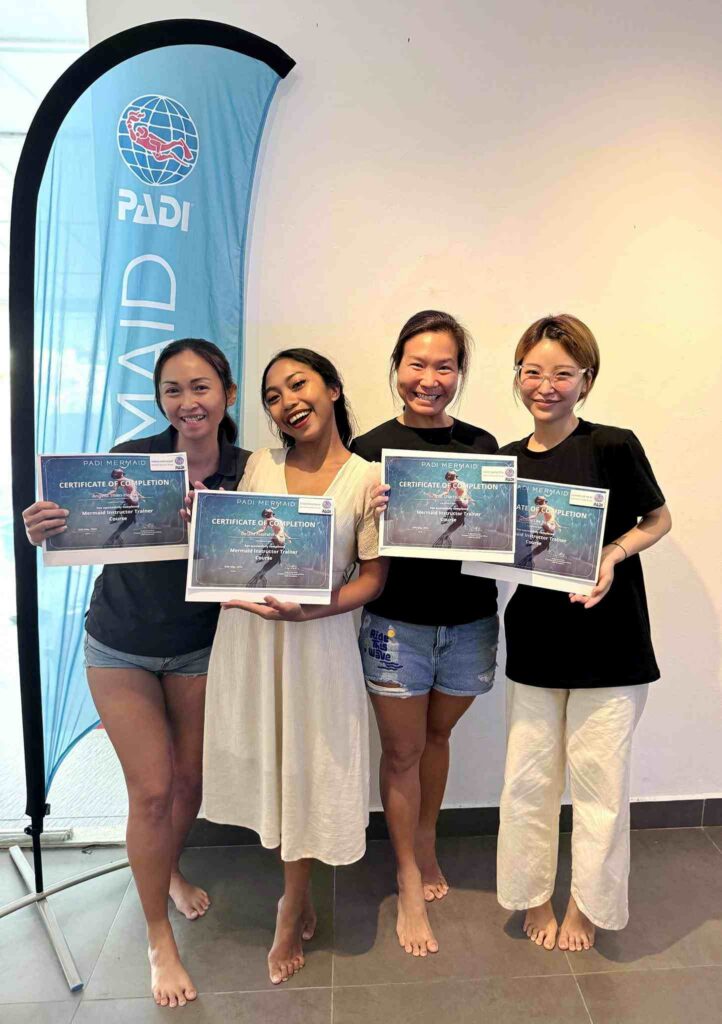
Whether you want to try mermaiding for fun, earn a PADI Mermaid certification, join mermaid practice sessions or eventually become a PADI Mermaid Instructor, Malaysia Mermaid Club can help you choose the right starting point. You can also compare current mermaid course prices in Malaysia before selecting your course.
Contact Malaysia Mermaid Club to discuss your swimming experience and find the most suitable PADI Mermaid programme in Kota Kinabalu or elsewhere in Malaysia.
Frequently Asked Questions
Is mermaid swimming difficult to learn?
Most people with basic swimming ability can learn the foundations with professional instruction. The dolphin kick may feel unfamiliar initially, but it becomes smoother as you develop coordination and body control.
Do I need to be a strong swimmer?
You do not need to be a competitive swimmer, but you must be comfortable in the water and meet the swimming requirements for your chosen PADI Mermaid programme. Your instructor can help identify the most appropriate starting level.
How long does it take to learn the dolphin kick?
Some beginners understand the basic motion during their first session, while others require more practice. Consistency, relaxation and good feedback are more important than learning quickly.
Can I learn mermaid swimming without a tail?
Yes. Practising without a tail is a useful way to learn the streamline, body wave and dolphin kick before adding a monofin and tail skin.
Is mermaid swimming safe for children?
Mermaid swimming can be suitable for children who meet the programme’s age and swimming requirements when it is conducted with appropriate equipment and professional supervision. PADI lists six as the minimum age for Discover Mermaid and PADI Basic Mermaid, although individual readiness should always be considered.
Where can I learn to swim like a mermaid in Malaysia?
Malaysia Mermaid Club offers PADI Mermaid training in Kota Kinabalu, Sabah, and can arrange courses in other parts of Malaysia. Contact the team to discuss course options, dates and locations.
